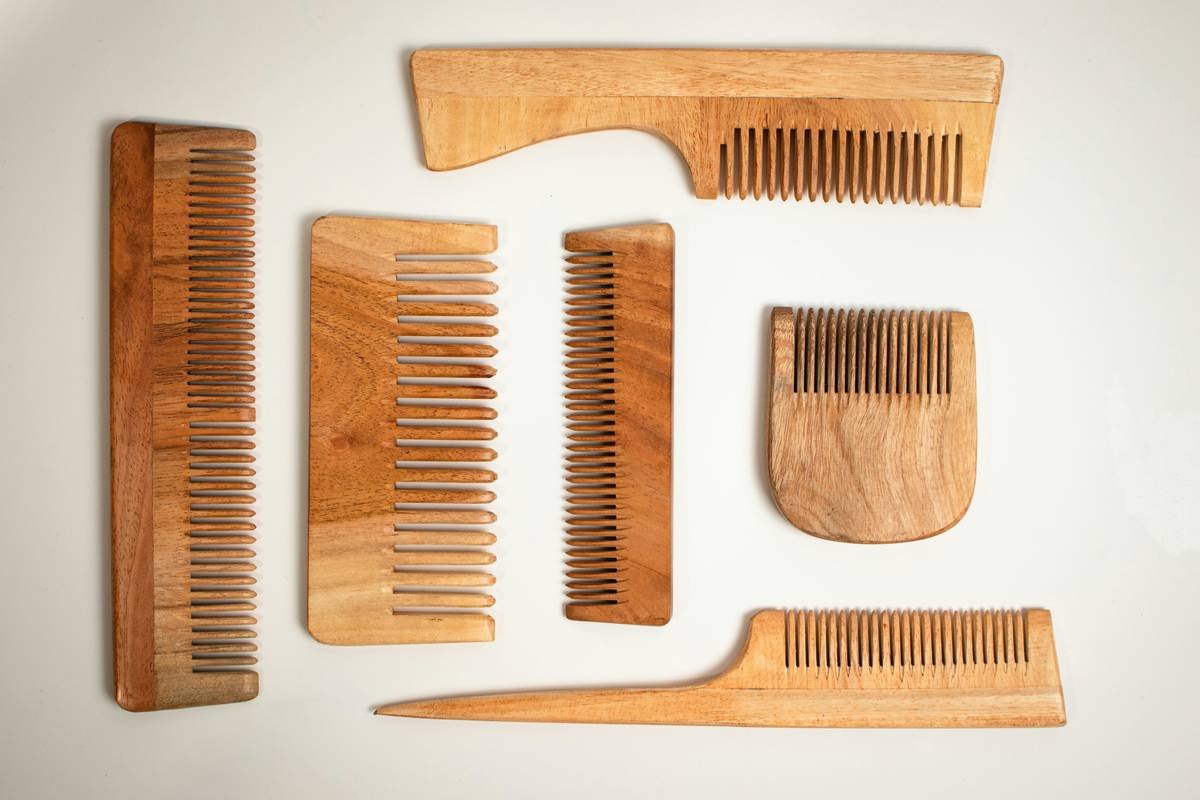
You spend hundreds on serums, oils, and salon treatments—but your hair still falls flat. Why? Because you’re using the wrong hair styling comb. Most combs damage cuticles, cause static, and undo all your styling work before you even leave the house.
The Hidden Cost of Cheap Combs
Plastic combs with jagged teeth? They’re micro-saws scraping your strands. And yes—your “gentle detangling” routine might be creating split ends. Here’s the reality: heat, friction, and poor tooth geometry degrade hair faster than UV exposure in some cases.
But it’s not just breakage. The wrong comb distributes product unevenly, leaves gaps in tension for braids or updos, and generates enough static to rival a balloon rubbed on wool. Think about it: if your foundation tool is flawed, the whole look crumbles.
How to Choose & Use the Right Hair Styling Comb
Not all combs are created equal. Precision matters more than price—but you don’t need to drop $100 either. Focus on material, tooth spacing, and edge finish.
Material Matters More Than You Think
Avoid injection-molded plastic. Instead, seek out cellulose acetate, horn, or anti-static carbon-infused polymers. These glide without snagging—and actually reduce frizz by minimizing electron transfer.
Tooth Geometry Dictates Performance
Wide-tooth combs aren’t just for curly hair. Fine-tooth combs shouldn’t be used on wet strands. Match tooth density to your hair’s diameter and moisture state—or risk unnecessary tension and breakage.
The Handle Isn’t Just for Grip
Ergonomics affect control. Rounded edges prevent hand fatigue during long styling sessions. And a balanced weight? Critical for consistent tension when creating parts or smoothing ponytails.
| Comb Type | Best For | Avoid If… | Price Range |
|---|---|---|---|
| Cellulose Acetate Fine-Tooth | Sleek blowouts, precise parting | Hair is soaking wet or coarse | $12–$28 |
| Carbon-Infused Wide-Tooth | Detangling curly/coily textures | Creating sharp lines or tight braids | $18–$35 |
| Horn/Boar Bristle Hybrid | Distributing natural oils, shine finishing | You have very thick or tightly coiled hair | $25–$50 |
| Cheap Plastic Rattail | Temporary sectioning (short-term only) | Used daily or on fragile hair | $1–$5 |
The Industry Secret: Combs Are Calibration Tools
Top session stylists treat combs like surgical instruments—not accessories. During Fashion Week, backstage pros carry 3–5 specialized combs per model. Why? Because each serves a distinct mechanical function: oil distribution, root lift, strand alignment, or tension control.
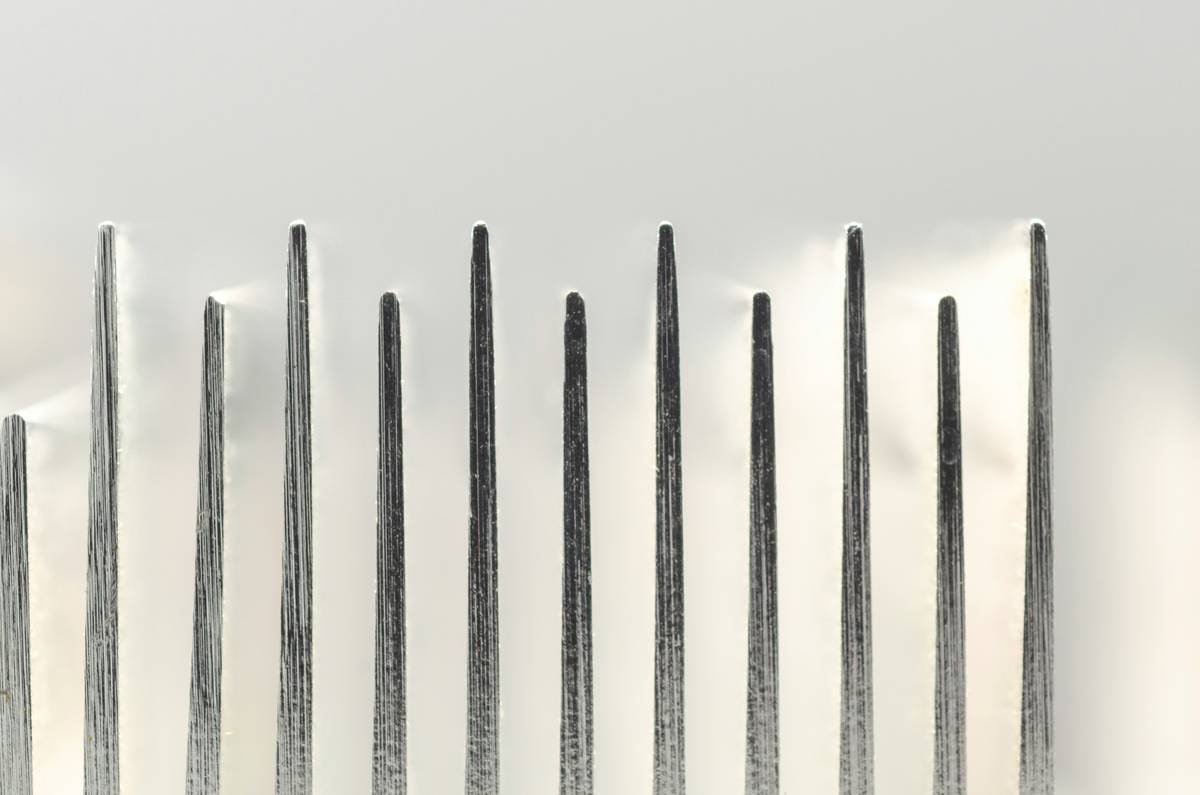
Here’s what no brand tells you: your comb’s tooth tips should be flame-polished. Unfinished edges create micro-tears invisible to the eye—but detectable under magnification. That “rough spot” on your favorite comb? It’s sandpaper on your cortex. And humidity amplifies the damage. The math is simple: smoother surface = less drag = less breakage.
Frequently Asked Questions
Can a hair styling comb really cause hair loss?
Not directly—but chronic breakage from poor combs mimics thinning. Snagging weakens strands at the midshaft, leading to premature shedding that looks like loss.
Should I use a hair styling comb on wet or dry hair?
Depends on type. Wide-tooth carbon combs work on wet hair. Fine-tooth acetate combs? Only on dry or 90% dry hair—unless labeled “wet-use.”
How often should I replace my hair styling comb?
Every 6–12 months. Teeth warp, edges dull, and static buildup increases over time—even with cleaning. If it snags once, retire it.

